
Welcome to the Lighting Design Process
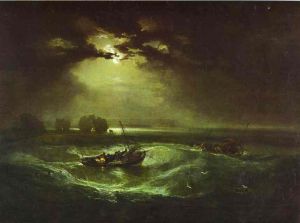
Lighting design is one of the most expressive tools in the theater. It’s an art form in its own right, yet it’s also deeply collaborative. As lighting designers, we work closely with the director and the other members of the design team, scenic, costume, sound, and projections, to shape a unified world for the performance. Together, we bring the story to life through light, texture, and atmosphere.
In this course, I’ll guide you through how lighting designers think and work, creatively and technically, as part of that process. We’ll look at each step of the journey, from concept and collaboration to research, sketches, and the creation of lighting looks that support the production.

Our first step is visual research. Think of it as a historical reference told through images: pictures that capture a time, place, emotion, or texture. You might find these visuals in museums, libraries, art books, old newsreels, or online archives. Wherever they come from, these references help us communicate with other designers and develop our own visual vocabulary for the piece.
Throughout this course, we’ll also explore different ways to share lighting ideas, through sketches, visual boards, simple renderings, or digital documents, and how those tools help us collaborate more effectively.
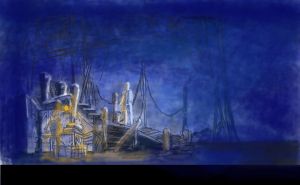
Whether you’re a student learning the basics or a teacher seeking ways to guide others through the process, this course is designed to open up the conversation about how lighting design connects storytelling, collaboration, and artistry.